“Get A Shotgun” Is The Wrong Answer to The Right Question
ATF data shows domestic shotgun production fell 50% since 2013 while pistol production stayed flat. Why the most repeated home defense advice is wrong.

Written By
Michael Crites
Licensed Concealed Carry Holder
Reviewed by
Editorial Team
Learn About The Editorial Team
Share:
Products are selected by our editors. We may earn a commission on purchases from a link. How we select gear.
Updated
May 2026
In February 2013, then Vice President Joe Biden gave what is probably the most widely circulated home defense recommendation in American political history. Standing in front of a crowd in Danbury, Connecticut, he explained that he’d told his wife Jill that if something went bump in the night, she should walk out on the balcony with their double-barrel shotgun and fire two rounds into the air.
He was roundly mocked (firing warning shots is inadvisable for reasons both legal and tactical) but the underlying premise got largely a free pass. Get a shotgun for home defense. The advice itself was so deeply embedded in gun culture that even his critics mostly argued about the warning shot, not the platform.
It’s worth asking where that advice actually came from. Not the Biden version specifically, but the broader cultural consensus that if you’re new to firearms and need something for the house, your first stop should be the shotgun rack. Who built that consensus, and did they build it for you?
The short answer is: they didn’t. And both American firearms manufacturers and gun buyers have been voting against it for ten years.
In This Article
Where the Advice Was Born
The shotgun’s institutional pedigree runs straight through law enforcement. From the 1920s through roughly the late 1990s, the pump-action shotgun was the standard long gun of American police departments. It rode in patrol car gun racks across the country.
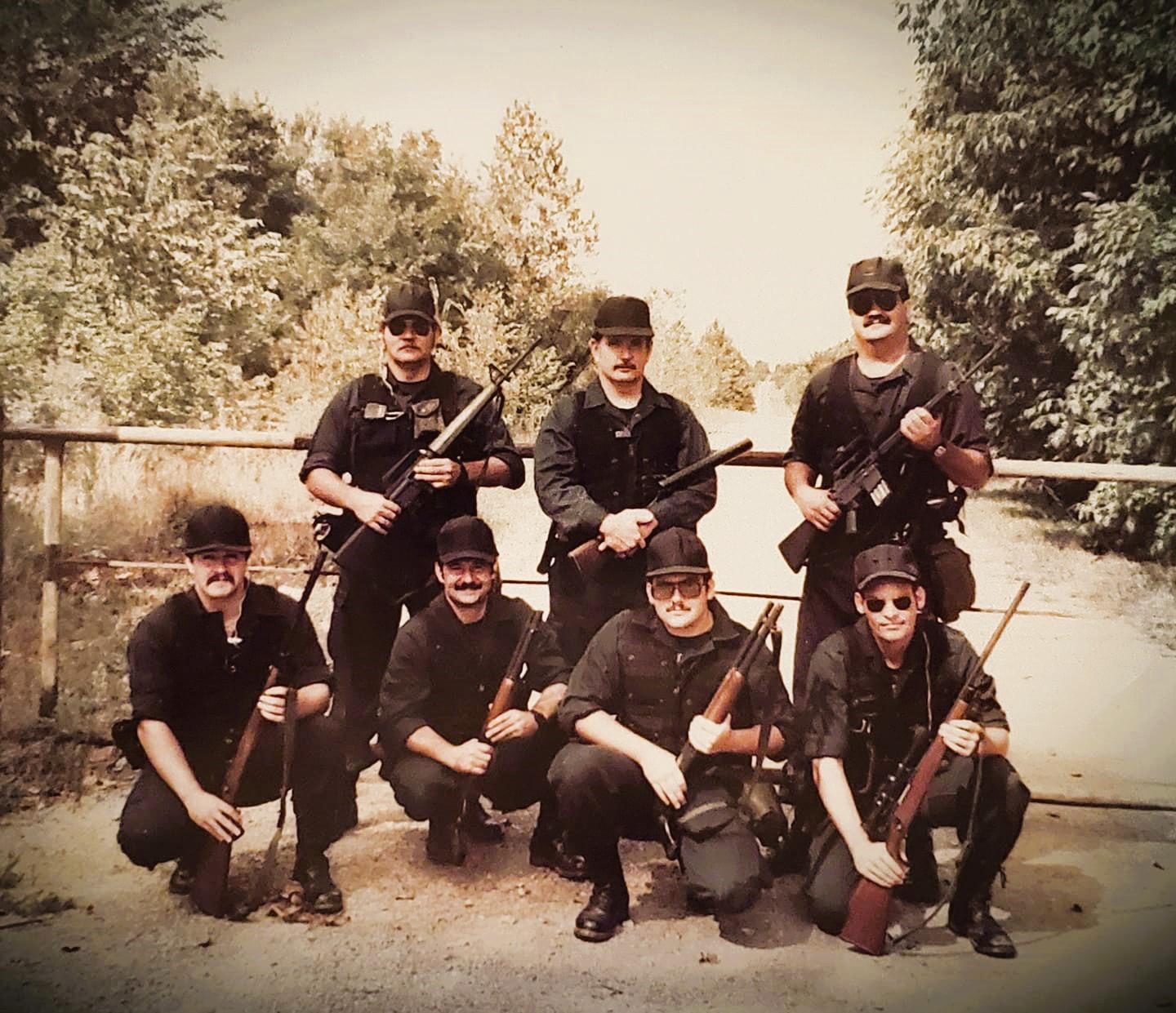
It filled the armorers’ cages of county jails and federal correctional facilities. It was the weapon of record for bank guard duty, armored car security, SWAT teams and rural law enforcement where a single deputy might be the only officer on scene.
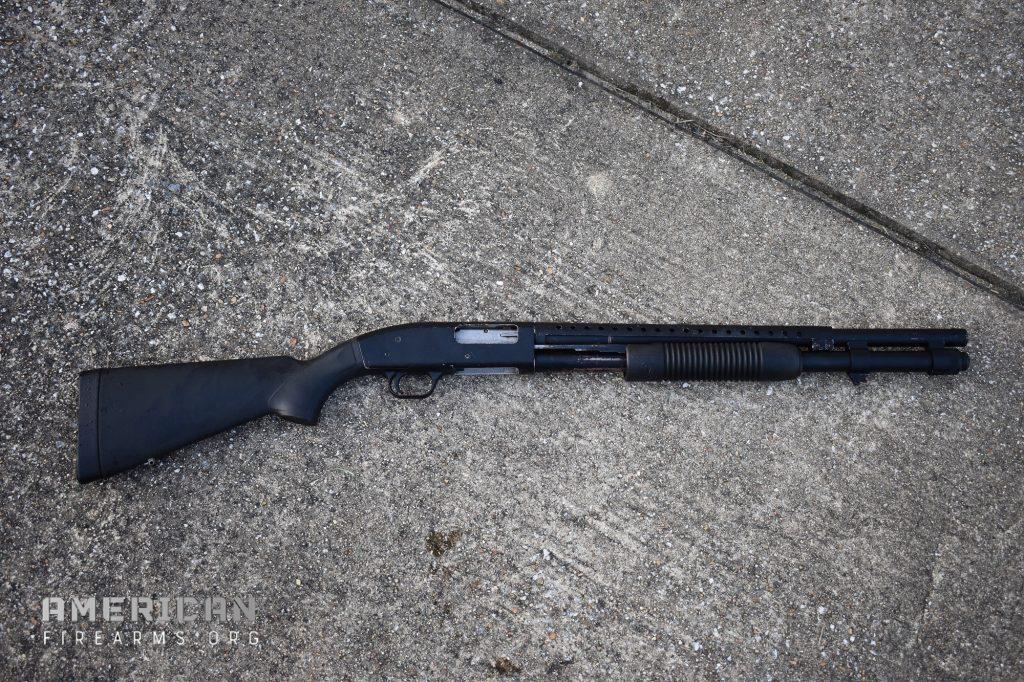
The platforms that drove the recommendation were specific: the Remington 870 and the Mossberg 500, both of which remain legitimate workhorses because the institutional context that produced them was real.
In the scenarios law enforcement faced — traffic stops gone wrong, building entries, correctional disturbances — a shotgun loaded with 00 buckshot or a rifled slug delivered a decisive stopping effect at the distances that mattered, by personnel who trained with the platform regularly.
Military room-clearing doctrine compounded the effect on civilian culture. Veterans who came home from Korea, Vietnam, and the Gulf Wars brought with them an intuitive understanding of the shotgun’s terminal authority. That understanding was accurate in the context where they acquired it.
The problem is that context doesn’t translate.
A law enforcement entry team clearing a building is doing something categorically different from a homeowner navigating a dark hallway. Entry teams breach — they move toward a threat in a known or suspected location, with backup, with training, with coordination.
A civilian home defense scenario is almost always the opposite: you’re stationary, alone or with family members to protect, trying to create distance, not close it.
The platform optimized for one scenario was handed wholesale to people in the other scenario, and the advice never quite caught up to the transfer problem.
Who the Advice Actually Fits
Before going further: there are people for whom a shotgun genuinely is the right call. A rural property owner who might need to engage a threat at 50 yards across a pasture is not well-served by a compact 9mm — a 12-gauge slug changes that calculation. An experienced shooter who has put real rounds through a pump under stress, who knows their reloading sequence, who has tested their specific load’s pattern and penetration in conditions similar to their home — that person can make the shotgun work. If that describes you, our guide to the best semi-auto shotguns covers the current field in detail.
The problem is that this describes a slice of the people receiving the advice, not most of them. Most of the people who walk into a gun store asking about home defense are not experienced shooters looking for a second or third platform.
They’re first-time buyers. They live in suburban or urban housing — apartments, townhomes, houses on quarter-acre lots with neighbors fifteen feet away.
They have limited time to train. They will not practice reloads under pressure. They need a platform that performs reliably with minimal training against a realistic threat profile.
That profile is not served best by a shotgun, and the firearms industry — which has a direct financial interest in getting this right — has been adjusting its production accordingly.
What the Manufacturing Data Shows
The ATF’s Annual Firearms Manufacturing and Export Report is not a publication most gun owners read, but it contains a remarkably clear signal about where the market is actually going.
In 2013 — the same year Biden was giving shotgun advice in Danbury — American manufacturers produced 1,203,072 shotguns, according to the NSSF’s historical production series. That was close to a modern peak.
By 2018, that figure had fallen to 536,119. By 2023, the most recent year reported by ATF, domestic shotgun production was 602,782 units.
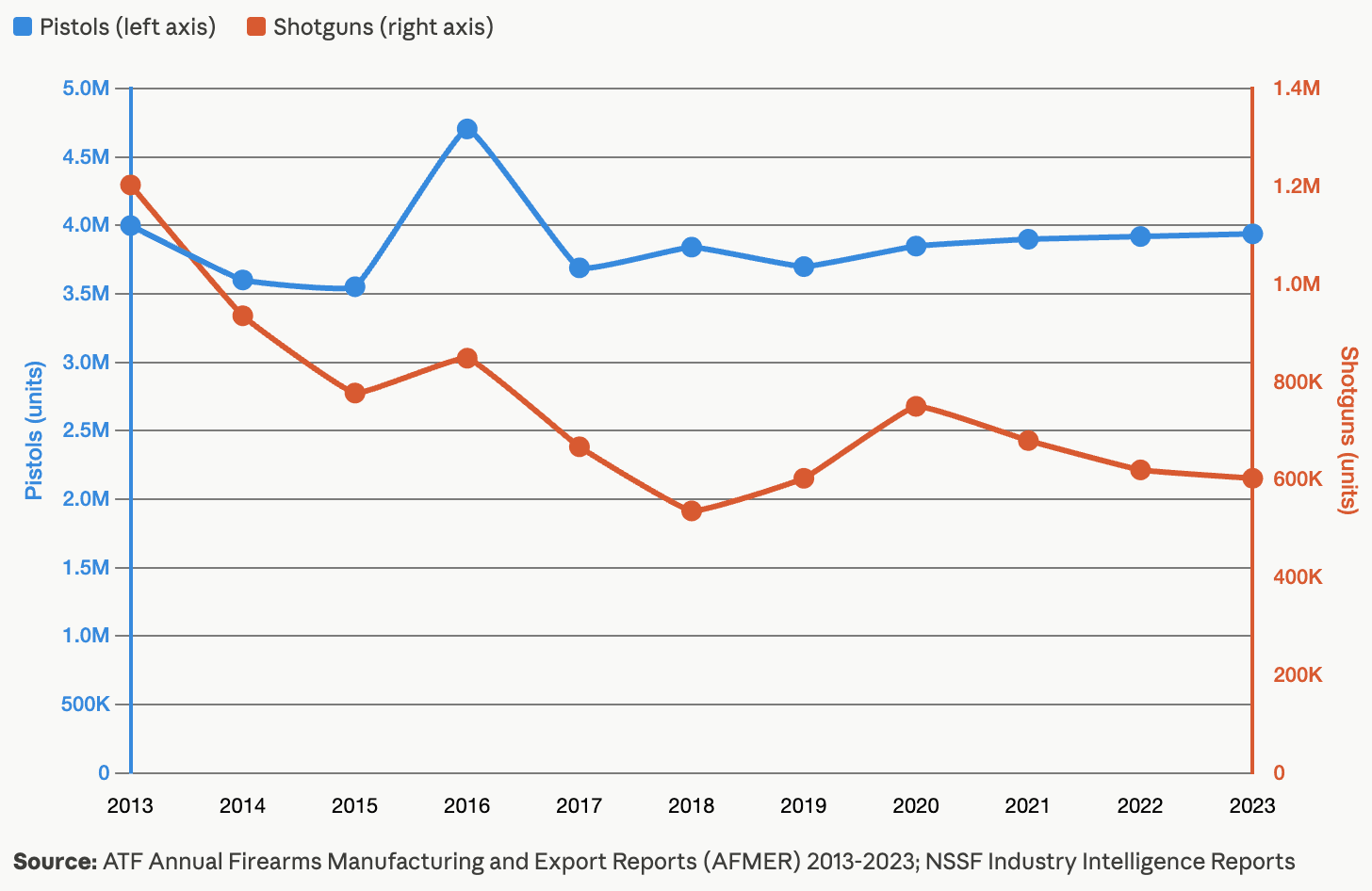
That’s a 50% decline from peak to present, in a decade during which the overall firearms market remained large and active. In 2023, American manufacturers produced 3,939,517 pistols — more than six and a half times the shotgun total. The full 2023 AFMER data is public and worth reading; the production tables tell a cleaner story than any opinion piece could.
This is not a story about the shotgun disappearing. Mossberg, Remington, and Browning are still making shotguns. Turkey’s factories are still shipping hundreds of thousands of imported units per year for the hunting and clay sports markets, where the platform remains strong.
But the home defense and self-defense market — the segment that cares about capacity, maneuverability, and concealability — has moved decisively toward the pistol. Buyers figured this out before the advice community did.
The Practical Case
The intuitive argument for the shotgun rests on two claims that deserve specific scrutiny.
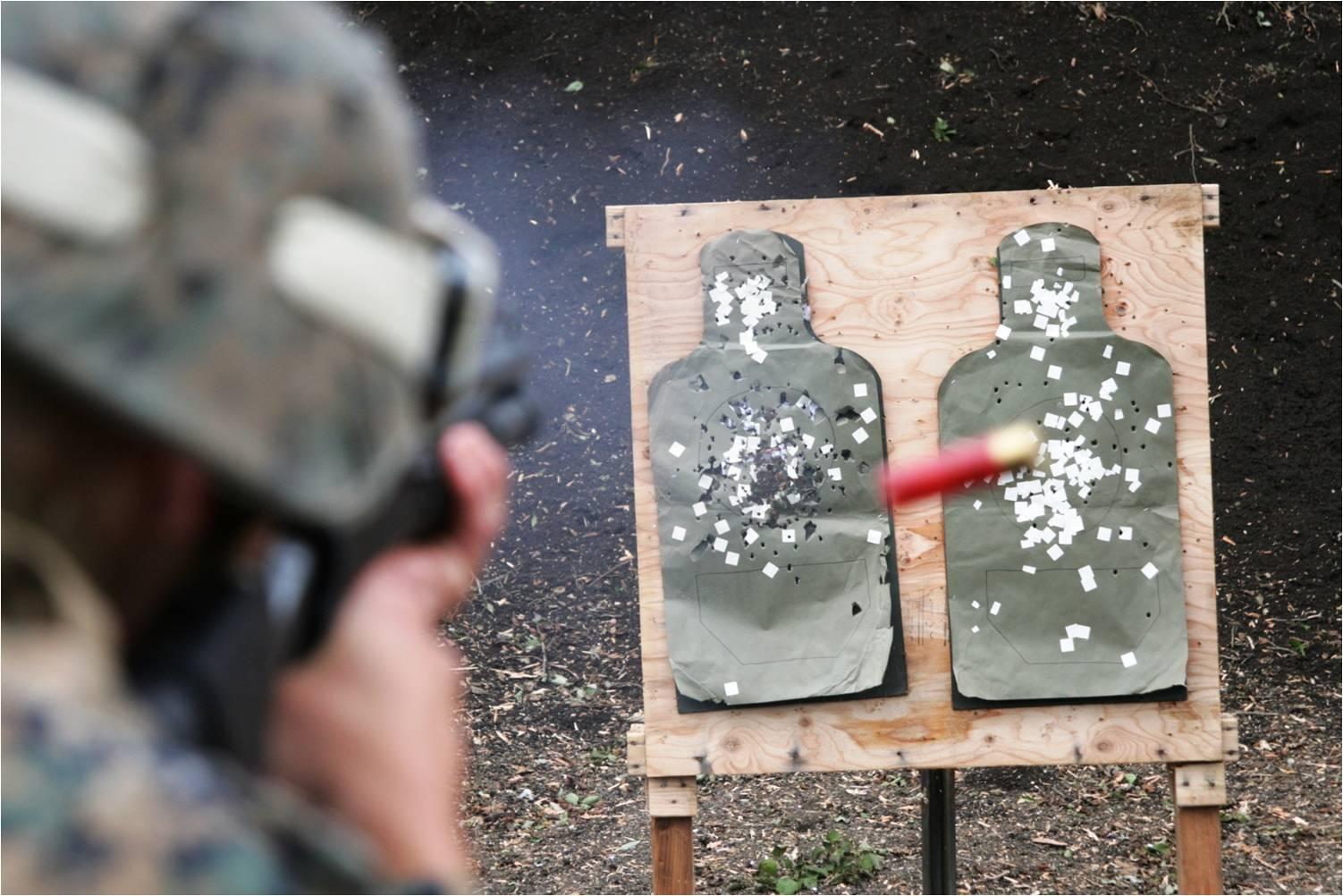
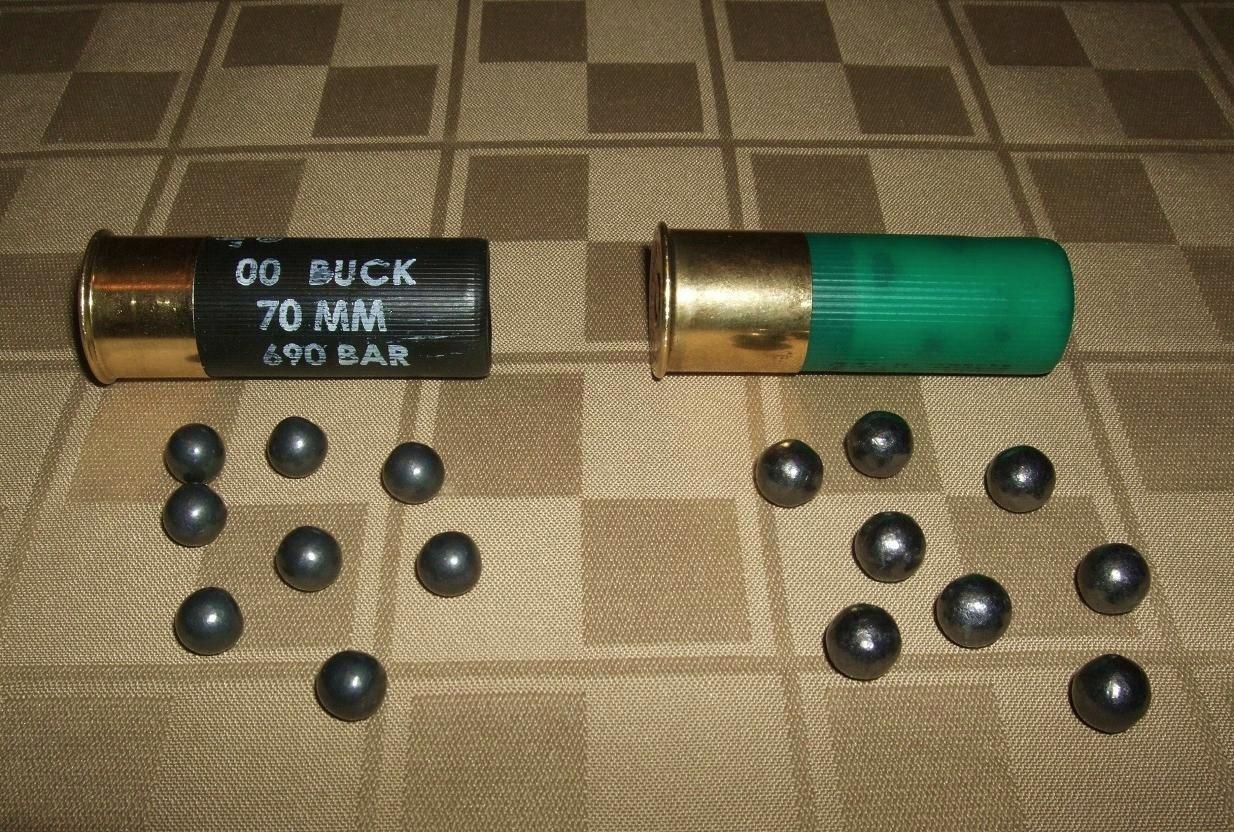
The first is pattern spread: the idea that at close range, a shotgun load provides a margin for error that a pistol doesn’t. This is true in principle and misleading in practice. At seven feet — roughly hallway distance in an average American home — a standard 00 buckshot load through an 18-inch cylinder-bore barrel produces a pattern of approximately one to three inches. You still have to aim.
The forgiving spread that people imagine — the room-filling cone of buckshot — exists at distances that most residential defense scenarios don’t involve. At the distances that matter indoors, you are essentially aiming a projectile that happens to have eight pellets instead of one bullet.
The second claim is stopping effectiveness. This one is real. A load of 00 buckshot does deliver more energy than virtually any pistol round at close range. But stopping effectiveness has to be evaluated alongside over-penetration risk.
Standard 00 buckshot will pass through interior drywall — the construction of most American residential walls — with enough retained energy to cause serious injury to anyone on the other side. Federal, Remington, and Winchester have all developed “low recoil” and “reduced penetration” buckshot loads specifically to address this, with mixed results.
A 9mm hollow point from a modern defensive load — Federal HST, Speer Gold Dot, Hornady Critical Duty — is actually engineered for more controlled penetration than standard buckshot, not less.
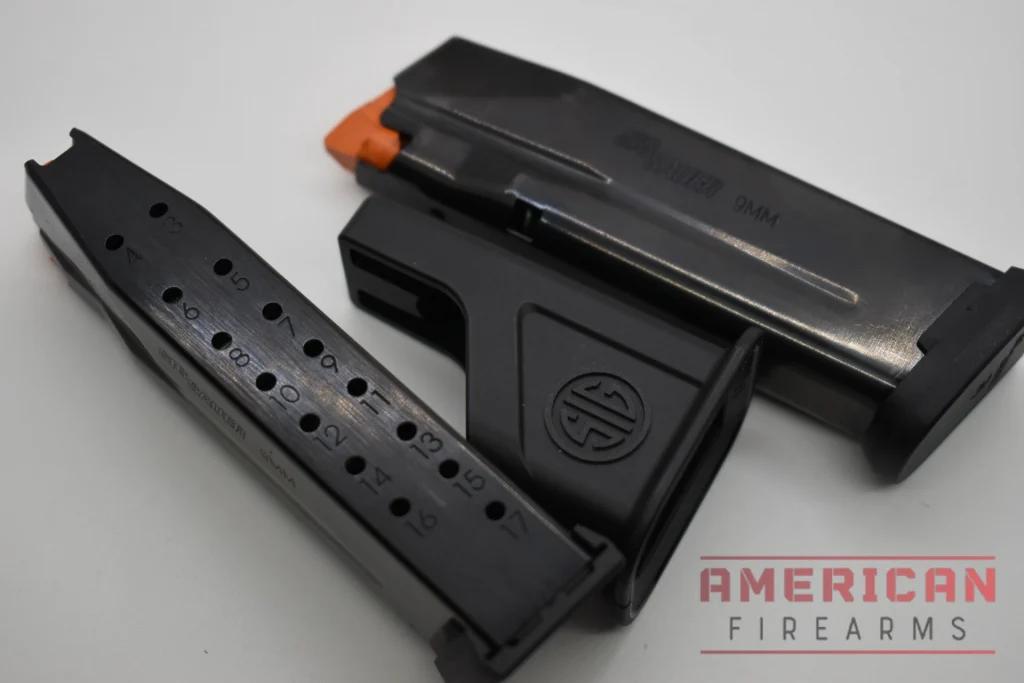
There’s also the capacity problem. A standard pump shotgun holds five to eight rounds. A standard double-stack 9mm service pistol holds fifteen to seventeen, with one in the chamber.
The argument that you’ll never need seventeen rounds in a home defense scenario is probably true — but so is the argument that you’ll never need eight. The margin exists for a reason.
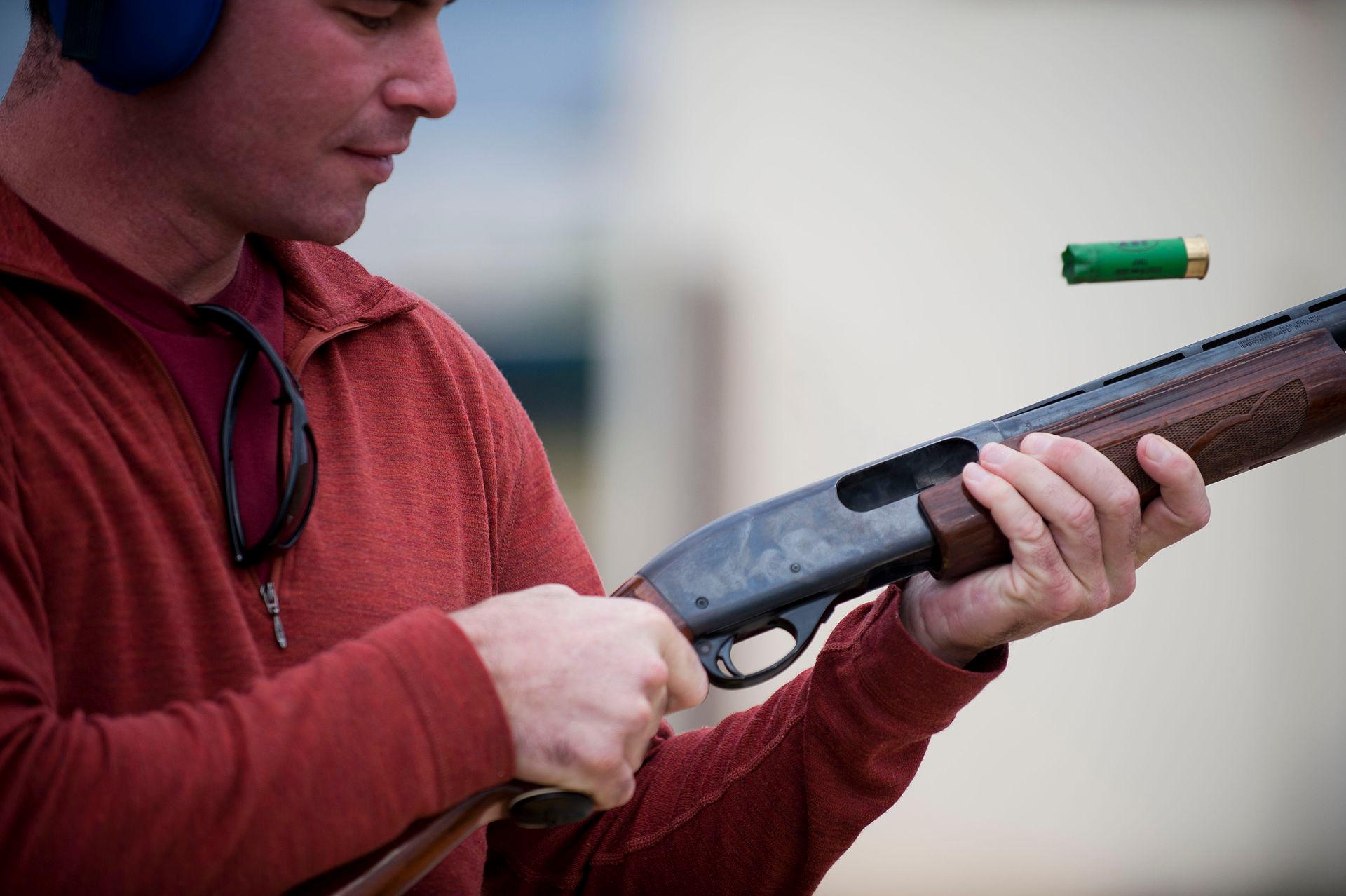
Finally: operating a pump-action shotgun under stress, in the dark, potentially with non-dominant hand, potentially while managing a phone to call 911, requires training that most first-time buyers don’t have and won’t acquire.
Failing to eject a spent shell — short-stroking the pump — produces a malfunction at the worst possible moment. A semi-automatic pistol doesn’t require the same procedural sequence under pressure.
The Actual Objections
There are two objections worth taking seriously.
The first is the deterrence argument: the rack of a pump shotgun is itself a deterrent, recognizable by sound to anyone who’s seen a crime movie in the last forty years. This is real, but it’s an argument for keeping your home defense firearm loaded with a round already chambered, which the pump shotgun’s operating sequence actively complicates.
The second is the training argument inverted: “A first-time buyer can hit a target with a shotgun more reliably than with a pistol.” This may be true in pure accuracy terms at static range distances.
It doesn’t account for the procedural complexity of the platform under stress, the over-penetration problem, or the capacity disadvantage.
The accuracy advantage of a long gun doesn’t disappear with a pistol-caliber carbine, which gives you the same shoulder-mounted stability, better maneuverability than a shotgun, and ammunition compatibility with your carry pistol if you run one.
A Better Framework
The right home defense question isn’t “shotgun or pistol?” It’s: what are the realistic distances inside my home? What is the construction of my walls, and what’s on the other side of them?
How much will I actually train with this platform, and what does training with it require? Is there a household member who also needs to be able to operate this firearm?
For a rural property with long sightlines and no neighbors within range of a penetrating round, a shotgun remains a rational choice — our guide to the best semi-auto shotguns covers the Mossberg 930, Benelli M4, and comparable platforms for buyers who have done that math.
For most people in most residential situations in America — an apartment in Atlanta, a townhome in Phoenix, a ranch house on a suburban street in Ohio — a modern service pistol addresses the actual threat profile more directly.
Higher capacity, better concealability for movement through the house, hollow points that expand and reduce over-penetration risk, and a manual of arms simple enough to use under the worst conditions.
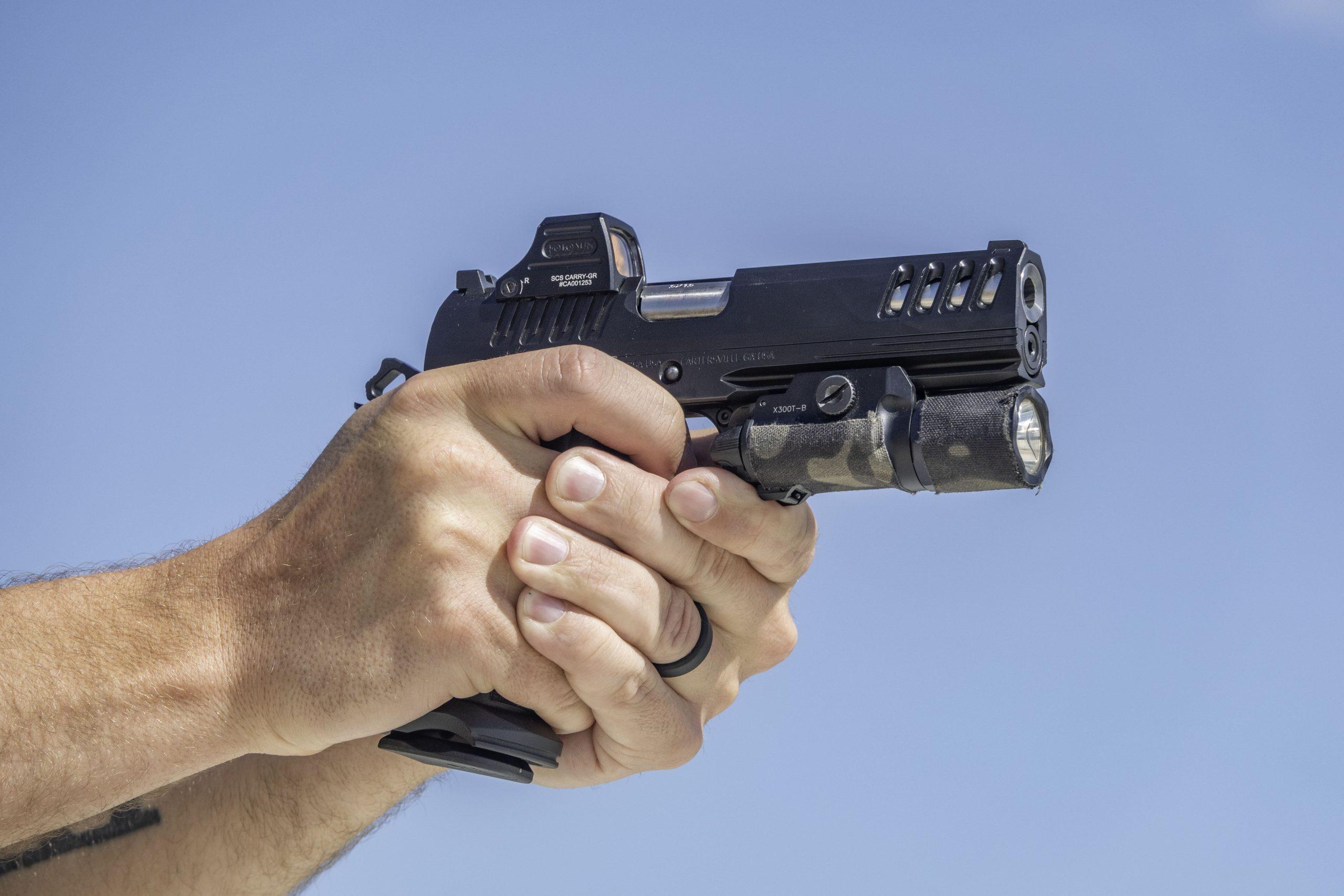
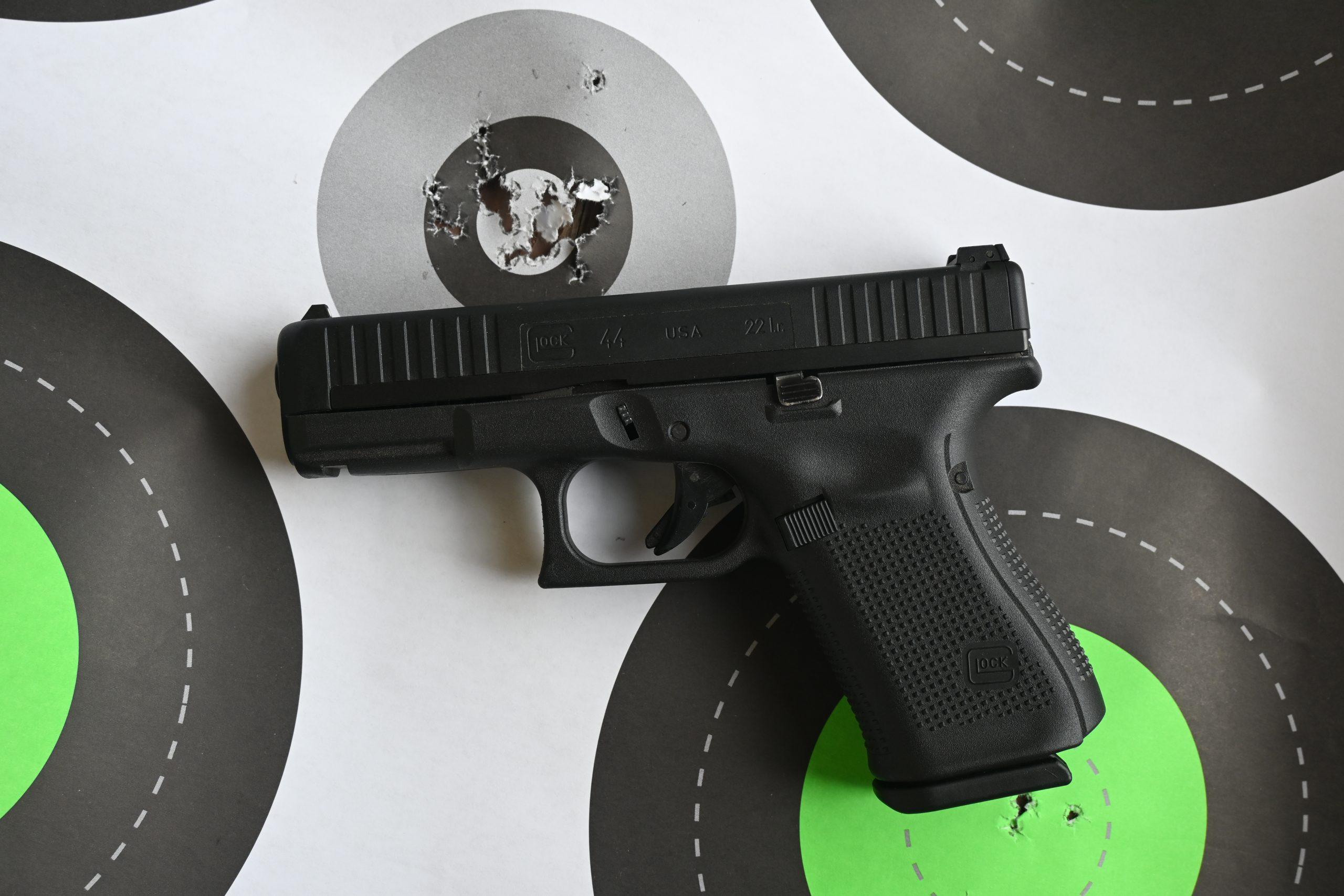
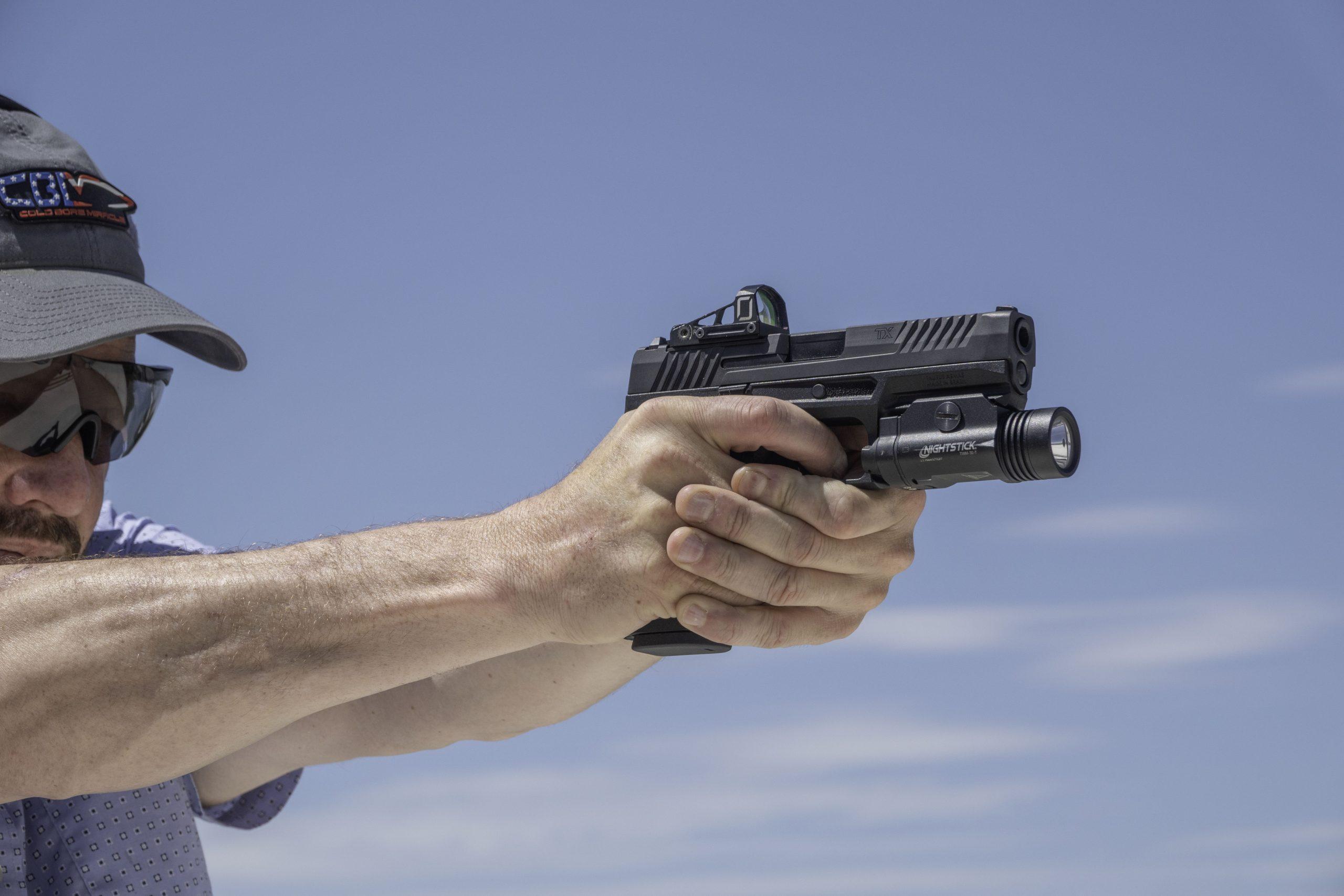
Our guide to the best first handguns for home defense covers the current options for buyers working through this decision; the Glock 17, SIG P320, and Smith & Wesson M&P9 are the logical starting points for most buyers in most contexts, and our best 9mm pistols guide goes deeper on the platform comparisons.
The ATF’s manufacturing data built that reality into the production numbers before most advice columns caught up. In 2013, manufacturers made 1.2 million shotguns. In 2023, they made 602,000 — while making nearly four million pistols. They are not wrong about who is actually buying home defense firearms, and why.
What the Market Already Knows
The “get a shotgun” recommendation persists because it carries institutional authority — police departments, military doctrine, a Vice President — and because it’s been repeated so many times it feels self-evidently true.
But institutional authority is only useful when the institution’s context matches yours, and a law enforcement clearing team is not navigating your hallway.
The shotgun earned its reputation in the contexts where it was developed. Those contexts are real. They are not your living room at two in the morning with your family upstairs. The market, for once, is ahead of the conventional wisdom on this one.
Meet the Experts

Written By
Michael Crites
Licensed Concealed Carry Holder
- Founder of AmericanFirearms.org
- Licensed Concealed Carry Holder
Firearm News
Further Reading
Sign up for our newsletter
Get discounts from top brands and our latest reviews!
View by Category

In-Hand Reviews

Firearm News

Featured Comparisons

Firearm & Ammo Reviews


Popular Guides & Stats

Range Gear & Accessories

Gun & Ammo Safes